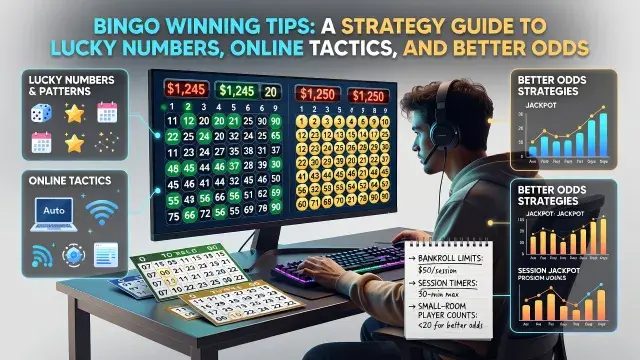
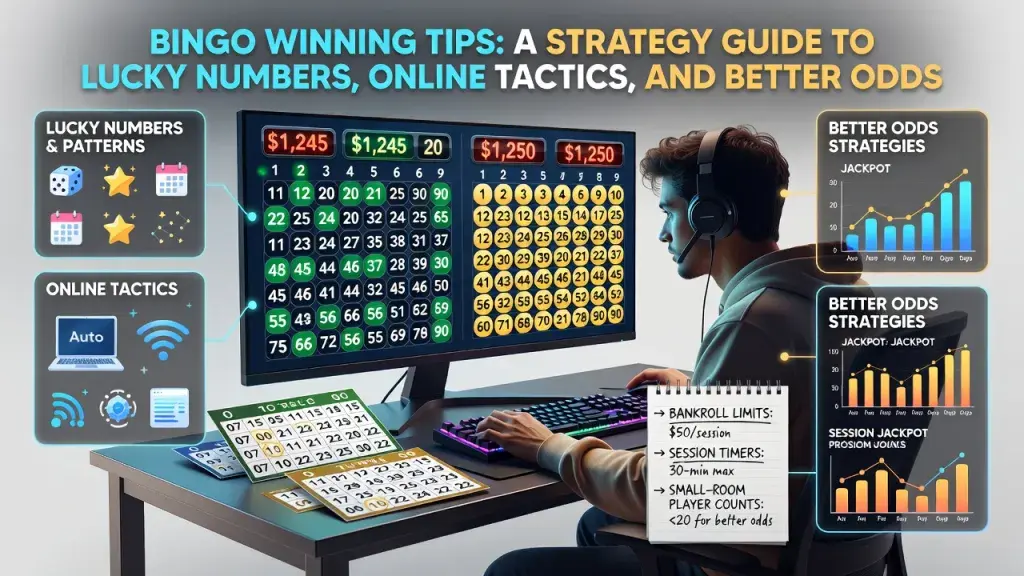
Bingo halls have closed by the thousands over the past two decades, yet the game itself has never been more popular. The reason is simple: bingo migrated online, and with that migration came new mechanics, new odds calculations, and new ways for players to gain a genuine edge. A caller in a smoky community hall and an algorithm running a virtual room follow the same basic rule set, but the strategy for winning under each system diverges more than most players realize.
Bingo remains a game of chance at its core - no one can control which balls drop or which numbers the random number generator selects. But chance games still reward informed decisions. Card selection, timing, room choice, and bankroll discipline all shift the probability curve in a player's favor, even if only by a few percentage points. That's the premise of any credible bingo strategy guide: you cannot force a win, but you can stack the odds so that when luck arrives, you're positioned to capture it. Players who want a head start on testing these ideas in a live setting can check the mechanics for themselves here, where card variety and payout structures mirror what's discussed throughout this piece. Everything from lucky number selection to pattern recognition in online tactics gets covered below, section by section, with an eye toward what actually moves the needle versus what's just folklore.
Understanding the Real Odds Behind Bingo
How Random Number Generation Actually Works
Online bingo platforms rely on random number generators (RNGs) certified by independent testing bodies to ensure each number call is statistically independent from the last. Unlike a physical ball cage, which can theoretically develop wear patterns over years of use, an RNG resets its probability distribution with every draw. This means no number is "due" and no number is "cold" in any mathematically meaningful sense. Understanding this is the foundation of any bingo odds strategy - you're not predicting outcomes, you're managing exposure to them.
Fixed Odds vs. Progressive Jackpot Structures
Bingo rooms typically offer either fixed-prize games, where the payout is set regardless of ticket sales, or progressive jackpots that grow with participation. Fixed games offer more predictable returns relative to ticket price. Progressive games carry higher variance but larger upside. Choosing between them isn't about luck - it's about matching the game structure to your risk tolerance and bankroll size.
Why Card Count Changes Your Win Probability
The single most reliable lever a player controls is how many cards they play per game. Playing four cards instead of one roughly quadruples your chance of matching a called number pattern first, assuming the room isn't oversaturated with players doing the same. The tradeoff is cognitive load - tracking multiple cards in a fast-paced online room requires either practice or software assistance, and mistakes reduce the benefit of the extra cards.
- More cards generally mean better odds, up to the point where tracking errors offset the gain
- Fixed-prize rooms suit players who prioritize consistency over jackpot size
- RNG-based numbers cannot be predicted, only managed through smart participation choices
The Truth About Lucky Bingo Numbers
Where the Belief in Lucky Numbers Comes From
Lucky bingo numbers have cultural roots that predate the online game entirely. Birthdays, anniversaries, and numbers tied to personal milestones carry emotional weight, and players naturally gravitate toward cards containing them. This isn't irrational so much as it is psychological: a player invested in "their" numbers stays more attentive during the game, which can translate into fewer missed calls.
Do Certain Numbers Actually Hit More Often?
Across a large enough sample of draws, every number in a standard 75-ball or 90-ball set appears with equal frequency. Short-term streaks - a run of numbers in the 60s, for instance - are statistical noise, not signal. Players chasing lucky bingo numbers should treat the practice as a personal ritual that improves focus, not as a genuine edge over the house.
Using Number Patterns to Choose Smarter Cards
While no number is luckier than another, card selection still matters. Cards with a wider spread of numbers across the full range tend to perform better in games with early-pattern payouts, since they're statistically more likely to have a number called early. This is a subtle distinction from believing in luck - it's applied probability dressed in familiar clothing.
Building a Practical Bingo Strategy Guide
Bankroll Management Before You Play
Every solid bingo winning tips list starts with money management, not number theory. Set a session limit before logging in, and treat that limit as non-negotiable. Bingo's low cost per card makes it tempting to keep buying "just one more," but that mindset erodes the bankroll discipline that separates recreational winners from chronic losers.
Choosing the Right Room Size and Player Count
Smaller rooms with fewer active players mean less competition for the same prize pool. A room with fifty players competing for a fixed jackpot offers dramatically better odds per card than one with five hundred. Checking player counts before buying in - most platforms display this - is a quick, high-value habit.
Timing Your Sessions for Better Value
Off-peak hours often carry lighter competition and, on some platforms, better card-to-prize ratios because operators want to keep rooms active. Late evenings on weekdays or early mornings tend to draw smaller, less crowded games than weekend prime time.
Online Bingo Tactics That Separate Casual and Serious Players
Auto-Daub and Multi-Card Play
Most online bingo tactics hinge on software features unavailable in physical halls. Auto-daub automatically marks called numbers, eliminating human error and freeing attention for tracking more cards simultaneously. Serious players use this feature by default - manual marking in a fast digital room is a handicap, not a skill.
Chat Room Bonuses and Community Perks
Many platforms run chat-based mini-games, loyalty points, or surprise bonuses during live sessions. These are low-effort, genuine value additions - staying active in chat rooms costs nothing and occasionally pays real dividends in bonus cash or free cards.
Reading the Fine Print on Bonus Wagering Requirements
Deposit bonuses often carry wagering requirements that dictate how many times you must play through bonus funds before withdrawing winnings. Skipping this step is the most common mistake new players make; a generous-looking bonus with a 40x wagering requirement may be worth far less than a smaller bonus with a 10x requirement.
- Enable auto-daub in any room with more than two active cards
- Participate in chat events when available - the cost is zero
- Always read wagering terms before accepting a deposit bonus
Pattern Recognition and Game Variants
75-Ball vs. 90-Ball Bingo Differences
75-ball bingo, common in North America, uses pattern-based wins - lines, blackouts, or shapes like a letter X. 90-ball bingo, popular in the UK and much of Europe, structures wins around one line, two lines, or a full house. Strategy shifts depending on which variant you're playing, since pattern complexity changes how many numbers you typically need before a win becomes possible.
Speed Bingo and Its Unique Odds Profile
Speed bingo compresses game length dramatically, calling numbers faster and shortening rounds. This variant rewards sharp attention over strategic card selection, since there's less time to manage multiple cards manually. Auto-daub becomes close to mandatory here.
Pattern Games and Their Payout Logic
Specialty pattern games - hearts, diamonds, or picture-frame shapes - often carry higher payouts because the required pattern is statistically harder to complete. Recognizing which pattern games offer realistic completion odds versus which are essentially lottery-style long shots is part of an effective bingo odds strategy.
Avoiding Common Mistakes That Cost Players Money
Overbuying Cards Beyond Your Tracking Capacity
Buying more cards than you can realistically monitor doesn't improve odds - it guarantees missed calls and wasted purchases. There's a ceiling for every player, usually reached well before the platform's maximum card limit.
Ignoring Room Reputation and Licensing
Not every online bingo platform operates under the same regulatory standards. Checking for a valid gaming license and independent RNG certification before depositing money protects against rigged rooms and payout disputes.
Chasing Losses With Bigger Bets
A losing streak tempts players into buying extra cards to "catch up." This behavior inverts the bankroll logic that makes bingo sustainable and turns a low-cost hobby into a high-risk one.
Frequently Asked Questions
Is there any way to actually predict which bingo numbers will be called?
No. Certified RNG systems produce statistically independent results, meaning past calls have no bearing on future ones. Any system claiming to predict numbers is selling superstition, not strategy.
How many cards should a beginner play at once?
Start with two or three cards and use auto-daub to avoid missed numbers. Increase the count only once you're comfortable tracking multiple cards without losing focus on the caller or the chat room.
Do lucky bingo numbers based on birthdays actually help win rate?
They don't change mathematical odds, but they can improve focus and consistency, which indirectly helps performance. Treat them as a personal ritual rather than a genuine statistical edge.
Are smaller bingo rooms really better for winning?
Generally, yes. Fewer competitors means a higher share of the prize pool per card played, assuming the jackpot size remains reasonable relative to room size. Always compare player count against prize value before buying in.
What's the biggest difference between 75-ball and 90-ball strategy?
75-ball games reward pattern awareness since wins depend on shapes like lines or blackouts, while 90-ball games follow a simpler progression toward a full house. Adjust card-tracking habits based on which format you're playing.
Should I accept every deposit bonus offered by an online bingo site?
Not automatically. Compare the wagering requirement against the bonus size first - a small bonus with low wagering terms often delivers more real value than a large one with steep requirements.